
主要颜色
Portrait of Marie Legentil
玛丽·勒让蒂肖像
画中人双手轻叠膝上,着晚装坐在铺毛皮的黄色丝椅上,身后是深蓝锦缎的墙布。她低领的蕾丝镶边上衣衬出胸口、肩臂的光洁肤色,画家效法安格尔,以极细腻的明暗把肌肤画出温润的光泽。头后的一方薄纱点明已婚身份,但此像当年独自展出,其夫的配像要到次年才画成。她与丈夫同有坚定的宗教信仰,并自办慈善事业,尤致力于青年女子的职业培训。1857 年沙龙展出时,评论家盛赞其娴雅之美与有节制的端庄。 [原文]
- 作者
- Jean-Hippolyte Flandrin
- 国籍
- 法国
- 年代
- 1857
- 材质
- 布面油画
- 尺寸
-
- 分类
- 绘画
- 馆藏号
- 2025.85.1
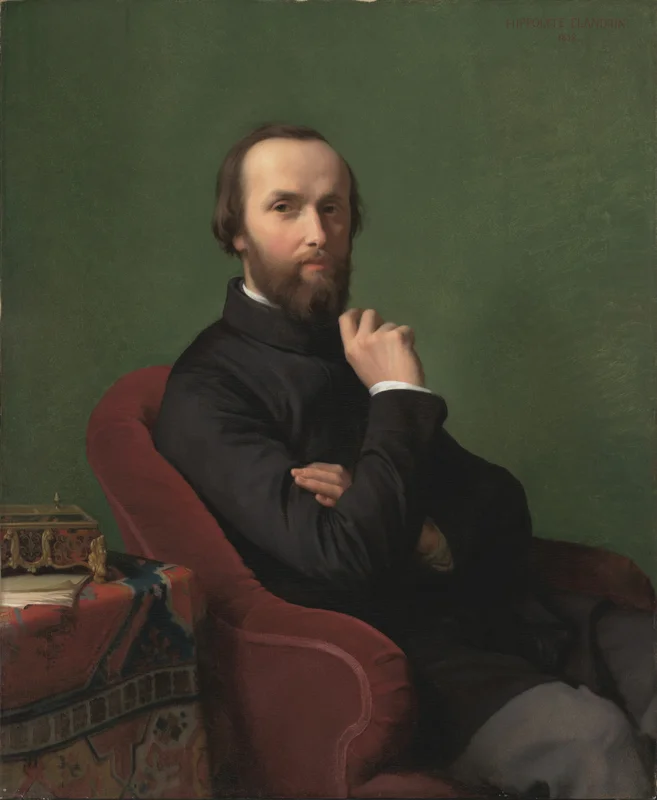
同一时期的作品
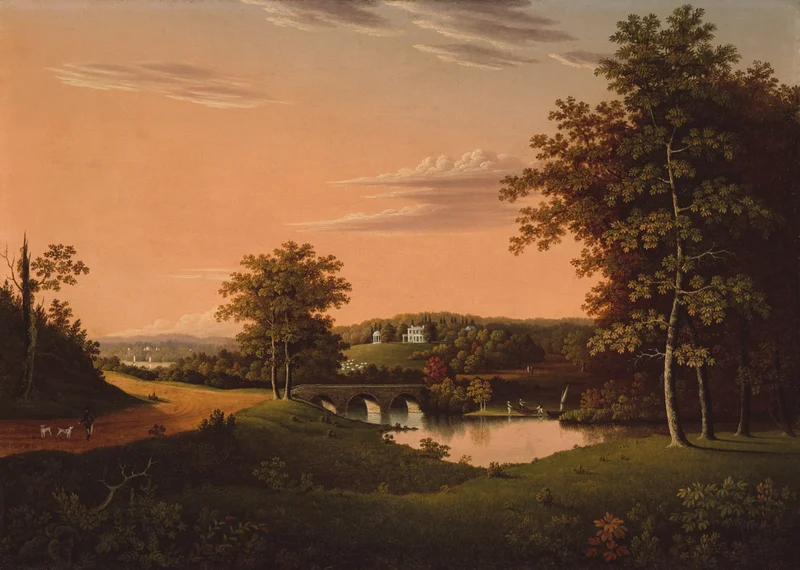
Point Breeze, the Estate of Joseph Napoleon Bonaparte at Bordentown, New Jersey
Charles B. Lawrence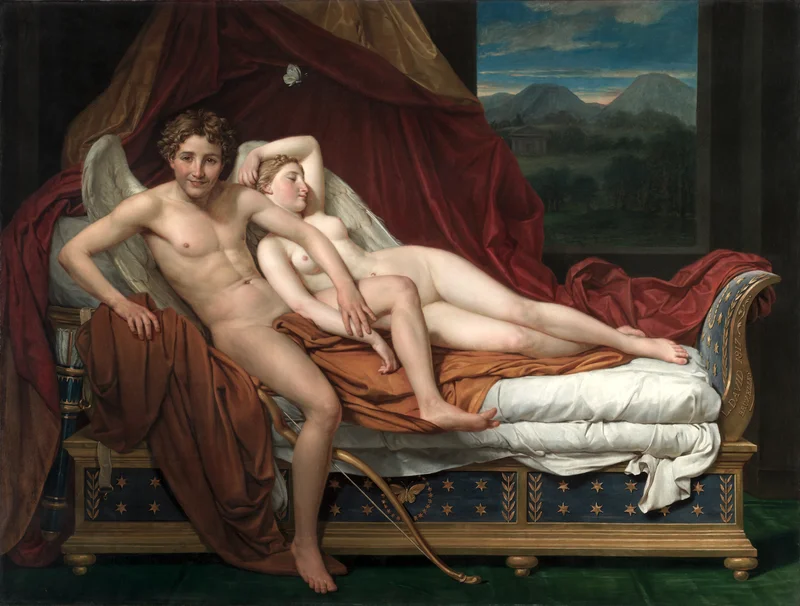
Cupid and Psyche
雅克-路易·大卫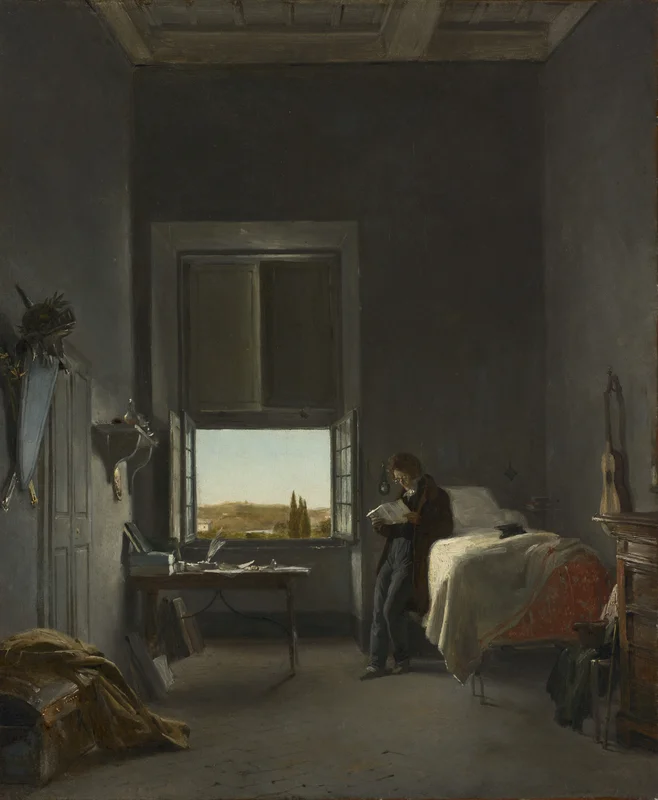
The Artist in His Room at the Villa Medici, Rome
莱昂·科涅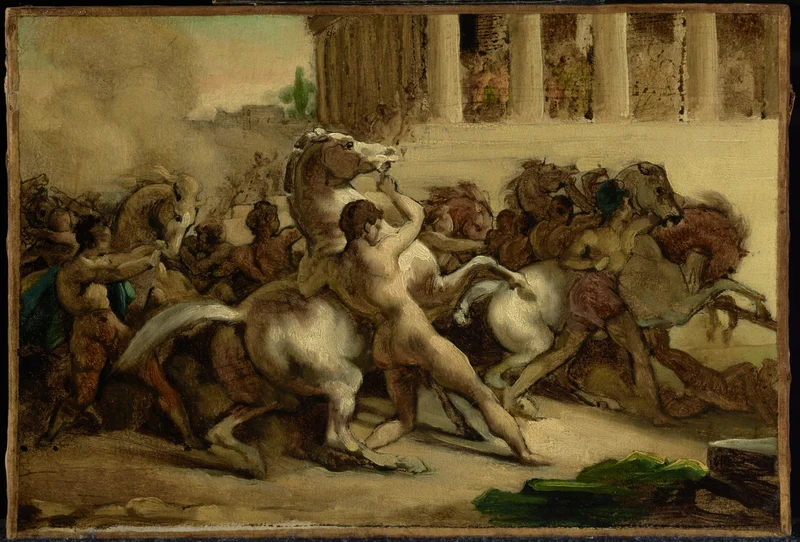
The Race of the Riderless Horses
Théodore Géricault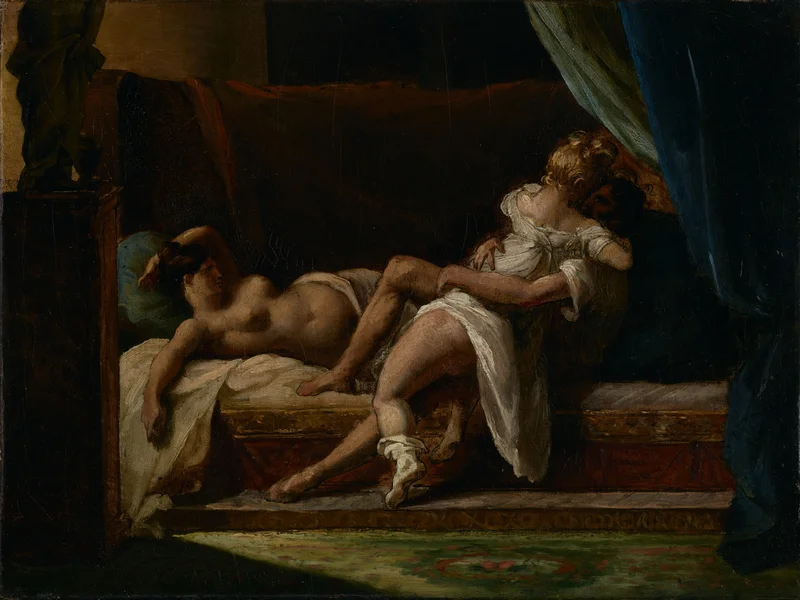
Three Lovers
Théodore Géricault
Charles Maurice de Talleyrand Périgord (1754–1838), Prince de Talleyrand
皮埃尔-保罗·普吕东该图像与元数据来自盖蒂博物馆开放数据。