
主要颜色
Triumph of the Marine Venus
海中维纳斯的凯旋
塞巴斯蒂亚诺·里奇Sebastiano Ricci
生自海中的维纳斯坐在由壮汉牵引的宝座上,随从环侍。她的儿子丘比特飞近,从侍者盘中抓起一把珊瑚。女神上方一名女子举着珍珠串。构图作松散的角锥形,以维纳斯为顶。画家用丰富的肤色区分这群嬉戏优雅的人物:从健硕男子褐红的肤色,到吹海螺的小天使浅桃色,再到女子更浅的肌肤;维纳斯的肤色奶白中透出腮、胸、膝的绯红,像由内发光。蓝天之上,几笔粉色写出轻云与将尽的日光。此作标志他自庄严的巴洛克转向轻快典雅的洛可可。 [原文]
- 作者
- 塞巴斯蒂亚诺·里奇
- 国籍
- 意大利
- 年代
- 1713
- 材质
- 布面油画
- 尺寸
-
- 分类
- 绘画
- 馆藏号
- 72.PA.29
同一位画家的作品

Study for "An Apotheosis of a Saint" (for San Bernardino dei Morti, Milan)
塞巴斯蒂亚诺·里奇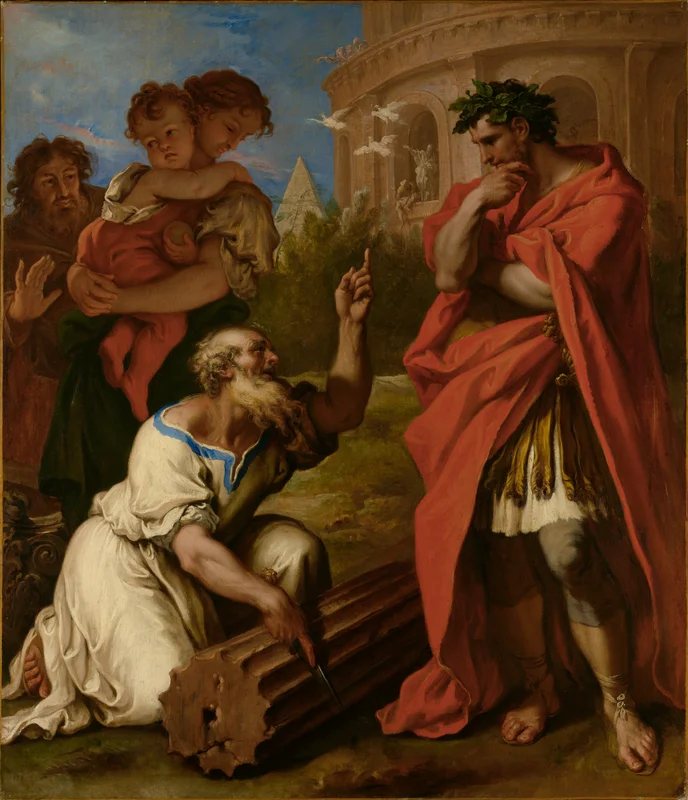
Tarquin the Elder Consulting Attus Navius
塞巴斯蒂亚诺·里奇
The Last Communion of Saint Mary of Egypt
塞巴斯蒂亚诺·里奇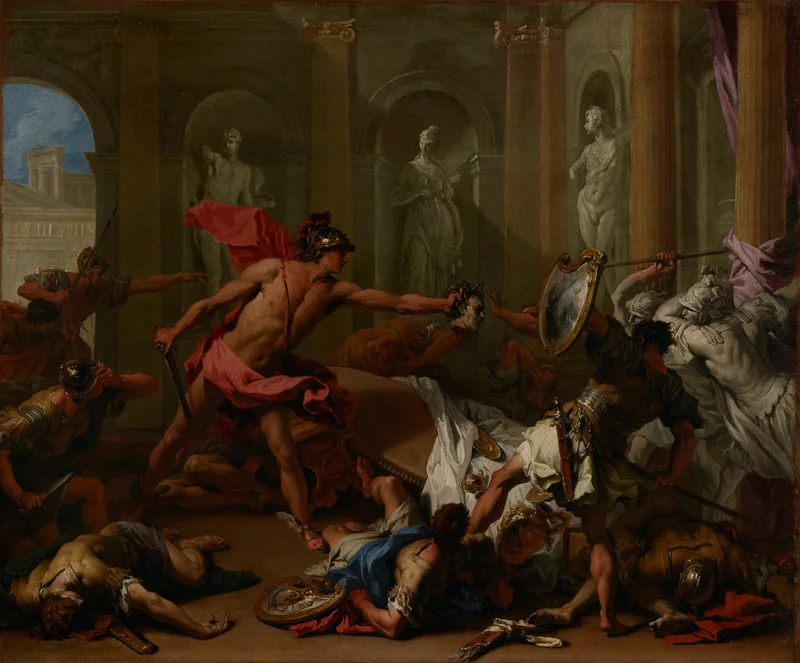
Perseus Confronting Phineus with the Head of Medusa
塞巴斯蒂亚诺·里奇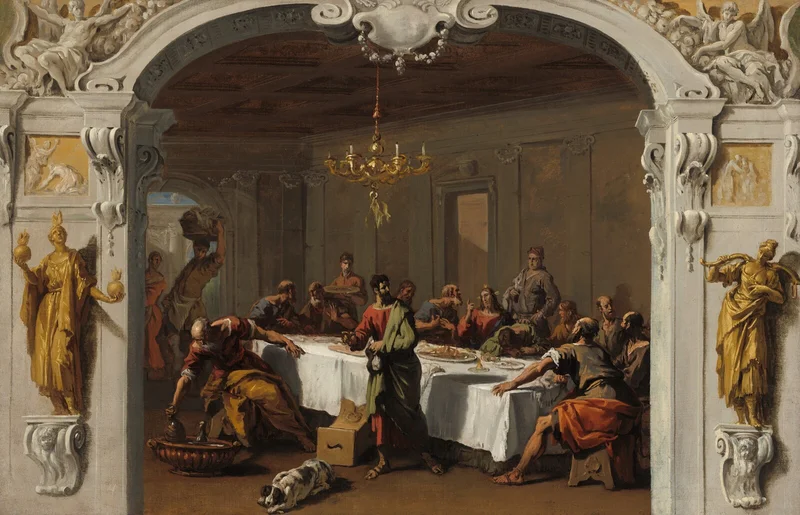
The Last Supper
塞巴斯蒂亚诺·里奇
Diana and Her Dog
塞巴斯蒂亚诺·里奇同一时期的作品


该图像与元数据来自盖蒂博物馆开放数据。